 Independent guide to Moc Chau, Ta Xua and Son La

Planning · Safety
Roads and weather: what actually goes wrong
Son La’s roads cross high passes and its weather swings from humid summer storms to near-freezing winter mornings. Most problems travellers report come from four things: fog, cold, heavy rain with landslides, and travelling at night. This page sets out each one and what to do about it.
The year in risks
| Period | Main risk | What it means on the road |
|---|---|---|
| December – February | Cold and fog | Near-freezing mornings on high ground; visibility down to metres at dawn |
| March – April | Few weather risks | Holiday traffic at the end of April |
| May – September | Heavy rain, flooding, landslides | Roads blocked or damaged, slippery tracks, delays |
| October – November | Generally settled | Cold mornings start on the ridges |
This summary combines the Vietnam National Authority of Tourism’s description of the northern seasons, a monthly guide to Moc Chau and the UK Foreign Office’s advice on rural and mountain areas. It is a pattern, not a forecast; storms and slides can happen outside these months.
Sources: Vietnam National Authority of Tourism — weather and climate; Local Vietnam — Moc Chau weather by month (travel guide, July 2025); UK Foreign Office — Vietnam safety and security · last checked .
Rain and landslides
The UK Foreign Office lists flooding, swollen rivers and landslides as risks in rural and mountainous areas, especially in the rainy season, and warns that roads may be blocked by mudslides and landslides. In Son La the rains run from about May to August, tailing into September, and trek routes become slippery and prone to slides from June to September.
The clearest recent example is Ta Xua. On 10 August 2024 about 50,000 cubic metres of earth and rock fell onto Provincial Road 112 at Km13+600, burying 20 bungalows and other buildings, killing one person, injuring two and closing the road. The province advised tourists to limit visits to Ta Xua during rain and floods.
Travel in daylight. Check the forecast and local news on the morning you set out. Do not cross flooded fords or stop beneath freshly cut slopes. Keep a spare day so that a closed road is a delay rather than a missed flight.
Sources: UK Foreign Office — Vietnam safety and security; Local Vietnam — Moc Chau weather by month (travel guide, July 2025); Vietjet Air travel guide — Ta Xua trek (2025); VOH — Son La advises limiting Ta Xua visits in floods (August 2024) · last checked .
Fog
Fog and low cloud are part of the appeal in Moc Chau and Ta Xua and also the main hazard on the roads to them. Winter in the north is described by the tourism authority as cool to cold, misty and cloudy. In Moc Chau, fog often covers the plum valleys in the early morning; at Ta Xua, people drive to viewpoints in the dark before dawn, which is when fog is thickest. Vietnam Airlines’ guide also mentions thick fog on high mountains in the rainy season.
Drive slowly with lights on, avoid overtaking on bends, and if you are on a motorbike and cannot see the road edge, stop somewhere safe and wait. Leaving later is often enough: VietNamNet advises going to the Moc Chau valleys from about 9 am, after the fog lifts.
Sources: Vietnam National Authority of Tourism — weather and climate; VietNamNet — Moc Chau plum valleys (2021); Vietnam Airlines — Son La travel guide; VnExpress — Ta Xua travel handbook (updated June 2026) · last checked .
Cold
Between December and February the cold is real. A monthly guide to Moc Chau reports early mornings in December at 5°C or lower and temperatures close to 0°C in the coldest months. On Ta Xua, from late November, daytime highs of 14 to 19°C and night lows of 9 to 10°C have been reported, and nights on the ridge are colder still.
Many homestays and guesthouses have thin walls and no heating. Bring a warm layer, a hat and gloves, and on a motorbike a windproof jacket; the wind chill on a moving bike at dawn is far below the air temperature.
Sources: Local Vietnam — Moc Chau weather by month (travel guide, July 2025); Bac Ninh state media — camping on Ta Xua (2021, from VnExpress) · last checked .
Night travel and buses
Many buses between Hanoi and Son La run overnight, and limousine vans to Ta Xua leave Hanoi around 22:00. The UK Foreign Office notes that bus and coach crashes are not uncommon and are more likely at night. If you have a choice, take a daytime service; if you take a night bus, wear the seat belt where there is one and keep valuables with you.
Drink-driving is a serious offence in Vietnam, with fines and possible prison if any alcohol is detected. Rice and corn wine are offered generously in the hills; do not drive or ride afterwards.
Sources: Mia.vn — buses from Hanoi to Moc Chau (travel blog, 2023); VnExpress — Ta Xua travel handbook (updated June 2026); UK Foreign Office — Vietnam safety and security · last checked .
Motorbikes and driving
According to the UK Foreign Office, you need the 1968 version of the International Driving Permit plus your national licence to drive a car or motorbike, third-party insurance is a legal requirement, helmets are compulsory for driver and passenger, and you should not use your passport as a deposit when hiring a vehicle. The same advice says not to hire a motorbike unless you are an experienced rider.
- Check the brakes, tyres and lights before you leave, and photograph any damage.
- On mountain descents use engine braking; overheated brakes are a common failure.
- Expect trucks on Highway 6, livestock and children on village roads, and gravel on bends.
- Plan to arrive before dark; the last stretch to Ta Xua is the wrong place to be lost at night.
Sources: UK Foreign Office — Vietnam safety and security · last checked .
Before you set out
- Check the weather forecast for the area, not just for Hanoi.
- Search recent local news for the road you will use; landslide closures are reported in Vietnamese press.
- Tell your accommodation when you expect to arrive, so someone knows if you do not.
- Carry cash, a charged phone, water and a warm layer.
- Keep one day in reserve at the end of a mountain trip.
Common questions
Questions readers ask
When is the landslide risk highest in Son La?
During the rainy season, roughly May to September, and especially after several days of heavy rain.
Is it safe to ride a motorbike to Ta Xua?
Only for experienced riders with the correct permit and insurance, in dry weather and daylight. Otherwise use a car with a driver or a local motorbike taxi for the final climb.
How cold is Moc Chau in winter?
Early mornings in December can be 5°C or lower, and the coldest months approach 0°C, according to the monthly guide we cite.
Are night buses a good idea?
They save a hotel night, but the UK Foreign Office notes that bus crashes are more likely at night. A daytime bus is the more cautious choice.
Related
Read next

Planning · Transport
Getting there
Bus stations, routes, journey times and fares from Hanoi to Moc Chau, Ta Xua and Son La town, with road notes.
Read more
Planning · Timing
When not to go
The periods to avoid in Son La: rainy-season landslides, Tet and holiday crowds, fog and cold, with alternatives.
Read more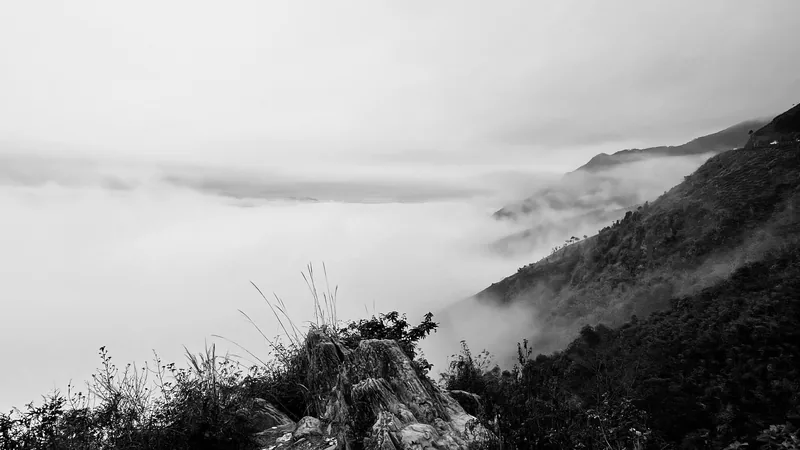
Places · Ta Xua
Ta Xua
Ta Xua for cloud hunting: the ridge, the seasons, the roads up from Bac Yen, costs and when to skip it.
Read more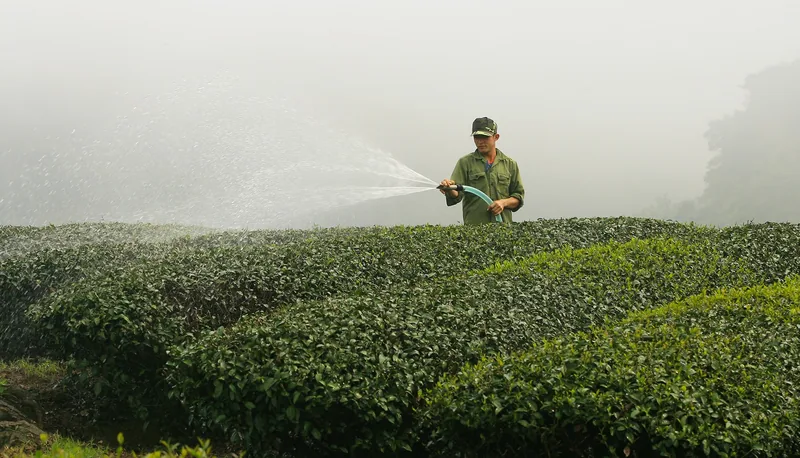
Places · Moc Chau
Moc Chau
Moc Chau plateau: what it is really like, nights needed, seasons, how to get there, costs and when to skip it.
Read more
Planning · Time
How many nights
Planning estimates for nights in Moc Chau, Ta Xua, Son La town and Quynh Nhai, and sample routes of 2 to 6 nights.
Read more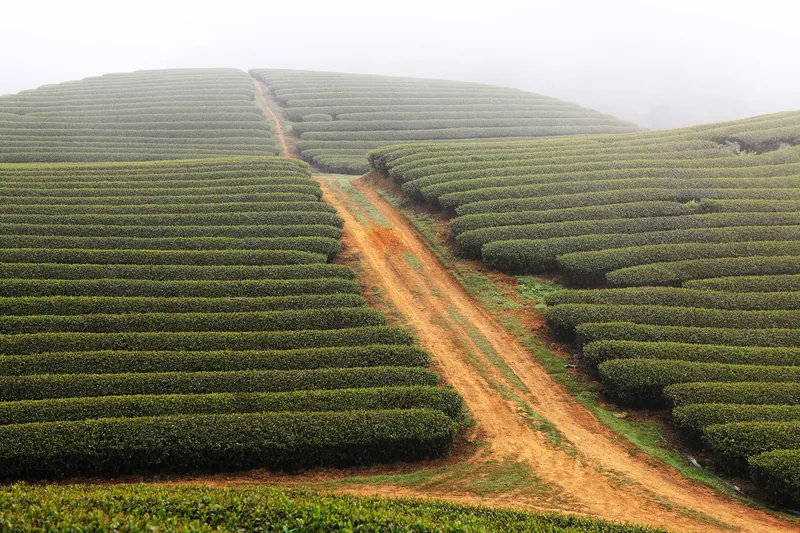
Independent guide to Son La province
Home
Start here: the guide to Son La province, its four main areas, its seasons and its roads.
Read moreStart planning
Send a correction or a question
Tell us which page you mean, what you found and when. A link to an official source or a photo of a price board helps us check it.