 Independent guide to Moc Chau, Ta Xua and Son La

Culture
Villages and etiquette: visiting as a guest
More than half the people of Son La are Thai, and Hmong, Kinh, Muong, Dao and Xinh Mun communities live alongside them. Most villages are working farms, not attractions. This page explains who lives where and how to behave as a guest in a homestay or a village.
Who lives in Son La
| Group | Share of population | Where you are likely to meet them |
|---|---|---|
| Thai | 53.61% | Valleys around Son La town, Quynh Nhai, Thuan Chau, Mai Son, parts of Moc Chau |
| Kinh (Viet) | 16.26% | Towns and along Highway 6 |
| Hmong | 16.06% | Higher ground: Ta Xua, hamlets around Moc Chau such as Pa Phach |
| Muong | 6.78% | Not mapped by our sources; ask locally |
| Xinh Mun | 2.17% | Not mapped by our sources; ask locally |
| Others, including Dao and Kho Mu | 5.12% | Scattered; Dao communities around Moc Chau |
Shares are from the 2025 provincial data summarised on Wikipedia. The Vietnam National Authority of Tourism names Hmong, Thai and Dao as the main communities on the Moc Chau plateau. Where we give locations, they are general patterns, not boundaries.
Sources: Son La province — Wikipedia (2025 administrative data); Vietnam National Authority of Tourism — Moc Chau; Vietnam Airlines — Son La travel guide · last checked .
Thai villages
The Thai of Son La live mostly in valleys, in wooden stilt houses beside rice fields and streams, and their food is the province’s cuisine: grilled stuffed fish, smoked buffalo, sticky rice and herb salads. Around Quynh Nhai, many villages were rebuilt above the new lake after the dam; community tourism has grown in places such as Ban Khoang, where a cooperative runs boats and a floating restaurant, and Ban Bon. The village of Phieng Lanh has revived a traditional hair-washing festival.
A stilt house is a family home. The space under the floor is for storage and animals; guests climb the stairs to the living floor, which is where you eat and, in a homestay, sleep on mattresses behind curtains.
Sources: VnExpress — Son La travel handbook (March 2024); VnEconomy — Thai community tourism in Quynh Nhai (January 2025) · last checked .
Hmong villages
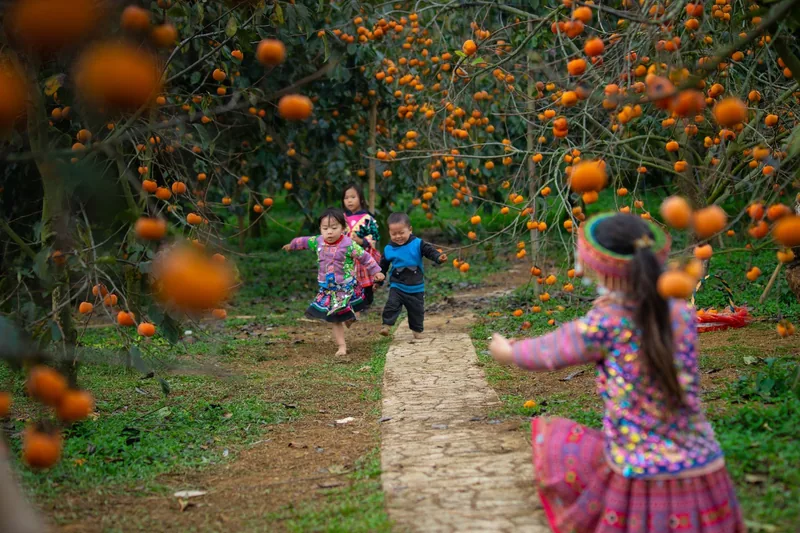
Hmong communities farm the higher slopes: at Ta Xua, they grow maize and tea, including Shan tuyet trees more than a century old, and they run many of the homestays and cloud-view cafés. Around Moc Chau, hamlets such as Pa Phach are known for plum orchards. The Hmong of Moc Chau celebrate two new years: their traditional new year, about a month before the Lunar New Year, and an Independence Day celebration on 2 September.
Hmong houses are usually built at ground level with earth or wooden walls. The hearth is at the centre of family life and of household ritual; do not put your feet near it or throw rubbish into it.
Sources: VnExpress — Ta Xua travel handbook (updated June 2026); VietNamNet — Moc Chau plum valleys (2021); VnExpress — Hmong Independence Tet in Moc Chau (2014) · last checked .
Staying in a homestay
Homestays range from a mattress on the floor of a family house to purpose-built bungalows. Reported prices at Ta Xua run from about 200,000 to 1 million VND a night, and in Son La town a homestay or guesthouse was about 200,000 VND or less in 2024. Ask what is included: dinner and breakfast are often cooked by the family and charged separately.
- Take your shoes off before entering the living area of a stilt house or a home.
- Ask before entering rooms beyond the main living space, and do not step over people sleeping on the floor.
- Expect shared bathrooms, cold nights and early mornings; families rise with the light.
- If rice or corn wine is offered, a small sip is polite; you can decline further rounds by putting your hand over the cup.
- Pay what was agreed, in cash, and say thank you to the host directly.
Sources: VnExpress — Ta Xua travel handbook (updated June 2026); VnExpress — Son La travel handbook (March 2024) · last checked .
Photographs
People in the hills are photographed constantly by weekend visitors, and not all of them like it. The courtesies are simple and make a difference.
- Ask before photographing a person, and accept a no. A gesture towards the camera and a smile is enough of a question.
- Do not photograph inside houses, at funerals, at altars or at rituals without clear permission.
- Do not pay children to pose; it encourages them to miss school.
- Stay on paths and field edges. Flowering fields and tea hills are crops; walking through them damages a family’s income.
- Drones over villages and private fields need permission from the people below; check national drone rules before you bring one.
Markets, buying and giving
Markets in towns and larger communes are where villagers trade, and where visitors can buy brocade, dried plums and tea. Brocade weaving, embroidery and Hmong beeswax batik are among the crafts shown at the Moc Chau culture week each year. Pay a fair price; bargaining should be good-humoured, and the difference in question is usually small for a visitor and large for a weaver.
If you want to give something to a host family, practical items such as fruit or tea are better than sweets for children or money handed to children. Schools and village leaders are the right people to approach about larger gifts.
Sources: Bao Van Hoa — Independence Tet on the Moc Chau plateau (September 2025) · last checked .
Visiting a village without a homestay
Many villages are crossed by public roads, and walking through is normal. Treat it as walking through someone’s farmyard: keep your voice down, greet people, close gates, keep away from animals and stay off fields. If you want to understand more than you can see, a local guide who belongs to the community will explain far more than a sign. We do not recommend particular guides or companies; ask your accommodation.
Common questions
Questions readers ask
Which ethnic group is the largest in Son La?
The Thai, at about 53.6% of the population in 2025 data, followed by the Kinh and the Hmong at about 16% each.
Is it rude to photograph people in the markets?
Not if you ask first and accept a refusal. Photographing people without asking, especially inside homes or at rituals, is resented.
Should I bring gifts for a homestay family?
It is not expected. Fruit or tea is a kind gesture; avoid giving sweets or money to children.
Do I need a guide to visit villages?
No for walking along public roads. A local guide from the community helps if you want to understand village life or visit homes.
Related
Read next
Culture · Festivals
Festivals
Moc Chau culture week around 2 September, Hmong new year, Quynh Nhai boat races, Tet and holiday crowds in Son La.
Read more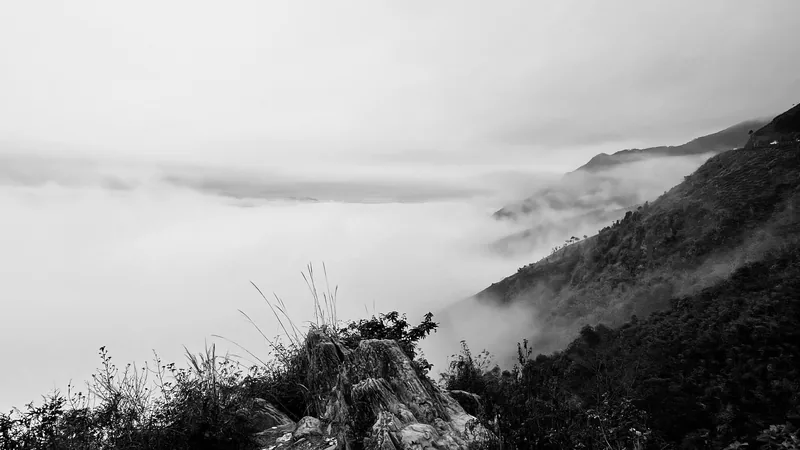
Places · Ta Xua
Ta Xua
Ta Xua for cloud hunting: the ridge, the seasons, the roads up from Bac Yen, costs and when to skip it.
Read more
Places · Quynh Nhai lake
Quynh Nhai lake
Quynh Nhai and the Son La reservoir: boats, islands, the Pa Uon bridge, Thai villages, seasons and when to skip it.
Read more
Places · Moc Chau
Moc Chau
Moc Chau plateau: what it is really like, nights needed, seasons, how to get there, costs and when to skip it.
Read more
Places · Son La town
Son La town
Son La town: the prison museum on Khau Ca hill, Ban Mong hot spring, Thai villages, costs and when to skip it.
Read more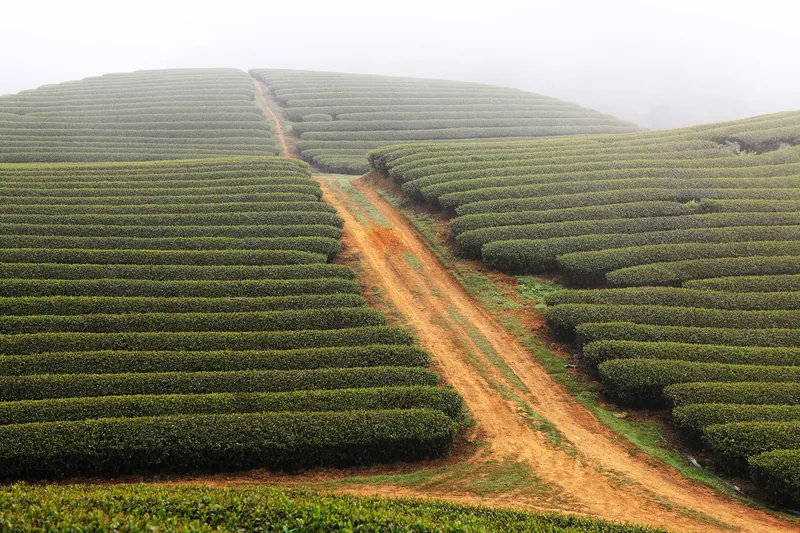
Independent guide to Son La province
Home
Start here: the guide to Son La province, its four main areas, its seasons and its roads.
Read moreStart planning
Send a correction or a question
Tell us which page you mean, what you found and when. A link to an official source or a photo of a price board helps us check it.